Exosomes, PRP or Minoxidil? How to Choose a Hair-Loss Treatment
October 19, 2026
By: nadia Ahmad
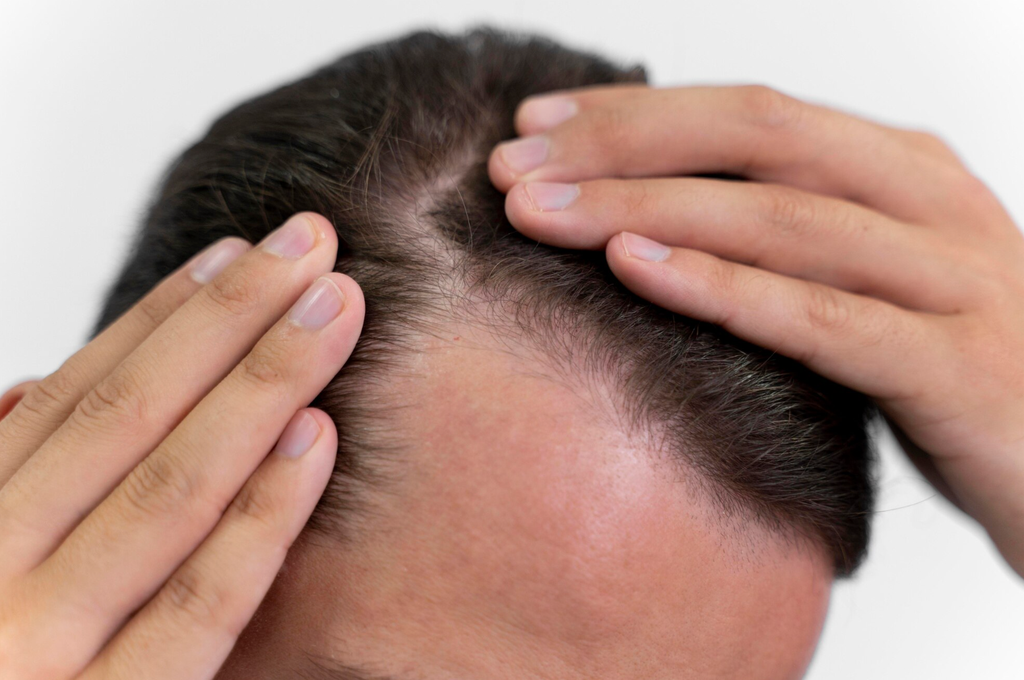
Noticing more hair on the shower floor, pillow, or comb can be worrying, especially when you do not know the cause. When searching for how to stop hair loss, it is important to understand that hair loss can have different causes, and the right approach depends on an individual assessment.
Options such as exosomes, platelet-rich plasma (PRP), and minoxidil may be considered as part of a hair loss treatment plan. Each works differently, and suitability can depend on factors such as the pattern of hair loss, medical history, scalp condition, and the underlying cause.
Some treatments are applied directly to the scalp and may be available over the counter, while others involve procedures carried out in a clinical setting. A doctor can help assess the cause of hair loss, explain the available options, and discuss possible benefits, limitations, and risks before treatment is considered.
What Are the Causes of Hair Loss?
People usually shed around 50 to 100 hairs each day, often without noticing because new hair grows at the same time. Hair loss happens when new hair growth does not keep pace with the amount of hair being shed, so finding the cause of hair loss first with a doctor can help guide the next steps.
Family History and Genetics – Androgenetic alopecia can affect both men and women. In men, it may cause a receding hairline and thinning at the crown, while women may notice thinning at the top of the scalp and a wider middle part.
Hormonal Changes and Medical Conditions – Hormonal changes linked to pregnancy, childbirth, menopause, or thyroid conditions may contribute to temporary or permanent hair loss. Alopecia areata, scalp infections, and trichotillomania may require medical assessment before a hair loss treatment is considered.
Medications and Supplements – Hair loss may occur as a side effect of some medicines used to treat conditions such as cancer, arthritis, gout, heart problems, high blood pressure, and depression.
Radiation Treatment – Radiation therapy involving the head can affect hair growth in the treated area. Hair may grow back differently after treatment, and the extent of regrowth can vary between individuals.
Physical or Emotional Stress – A significant physical or emotional event can sometimes lead to hair thinning several months later. This type of hair loss may be temporary.
Hairstyles and Hair Practices – Hairstyles that pull the hair tightly may contribute to traction alopecia. Hair treatments that involve chemical processing, such as perms and bleaching, may also contribute to hair loss.
Why the Cause Should Be Assessed First
Someone searching for how to stop hair loss may come across treatments such as PRP, exosome-based procedures, or minoxidil for hair, but the appropriate approach can depend on the cause. A doctor can assess the cause of hair loss and discuss treatment options based on the individual’s needs.
Which Hair Loss Treatments Actually Work?
Each treatment does not produce the same outcome for every person because the cause, pattern, and stage of hair loss can differ. Understanding factors such as the hair growth cycle, including the anagen and telogen phases, can also help explain why some treatments take time to show changes.
Types of Hair Loss Treatments
A doctor may consider these treatment approaches depending on the individual’s condition. Getting a scalp and medical assessment can help identify the cause of hair loss before a hair fall treatment plan is discussed.
Exosome Therapy for Hair Loss
Exosome hair treatment uses extracellular vesicles involved in cell communication to help support the scalp environment for hair growth. It may be considered for hair thinning, shedding, or reduced density.
PRP Hair Treatment
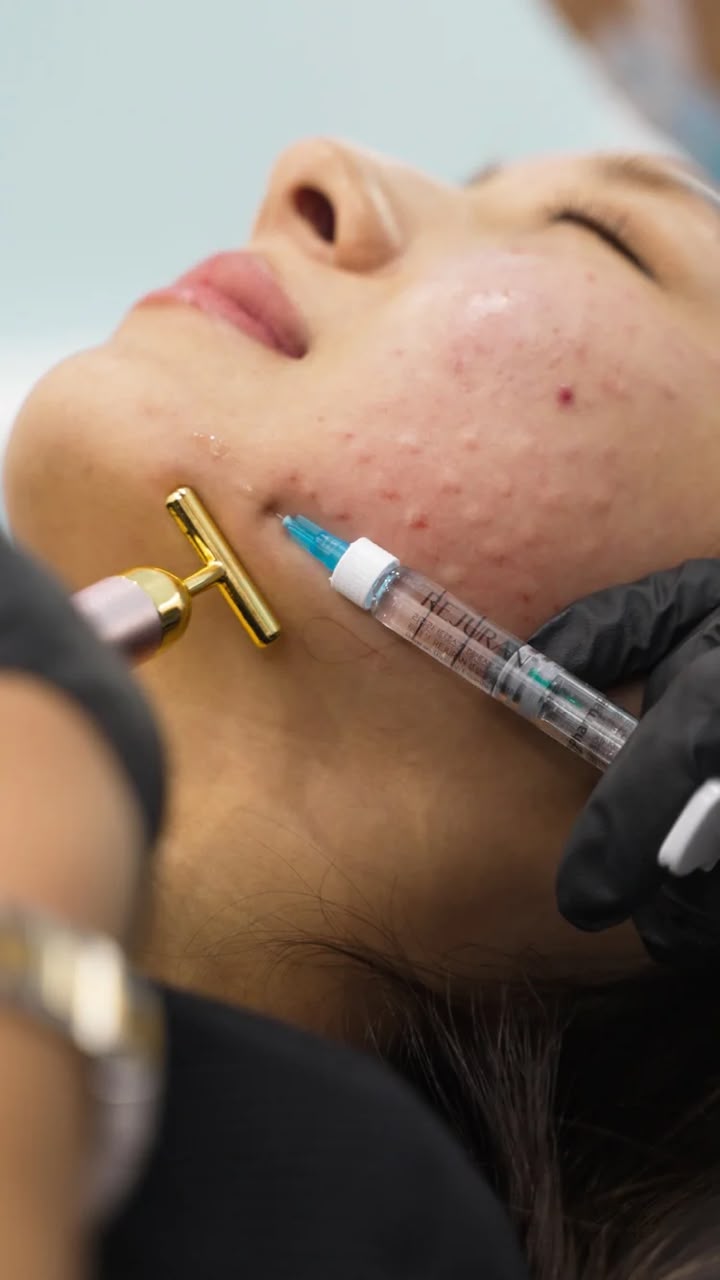
PRP (Platelet-Rich Plasma) therapy uses concentrated platelets taken from the patient’s own blood and injects them into areas of the scalp affected by hair loss. It may help support existing hair follicles, slow hair follicle miniaturisation, and promote hair thickness.
Minoxidil for Hair
Minoxidil is a medication used to encourage hair growth in some cases of hereditary hair loss. It is available without a prescription and comes as a topical solution or foam that is applied to the scalp.
Finasteride for Hair Loss
Finasteride is a medication used for certain types of hair loss, including male pattern hair loss, and may help slow further loss and encourage growth in some people. Changes may take several months to appear and continue only while the medication is being used.
Are Exosomes Better Than Minoxidil for Hair?
There is currently not enough evidence to show that exosome therapy for hair loss should be chosen over minoxidil for hair, as research on exosome-based treatments remains limited.
For people asking how to stop hair loss, the suitable approach depends on the cause, stage of hair loss, medical history, and individual assessment.
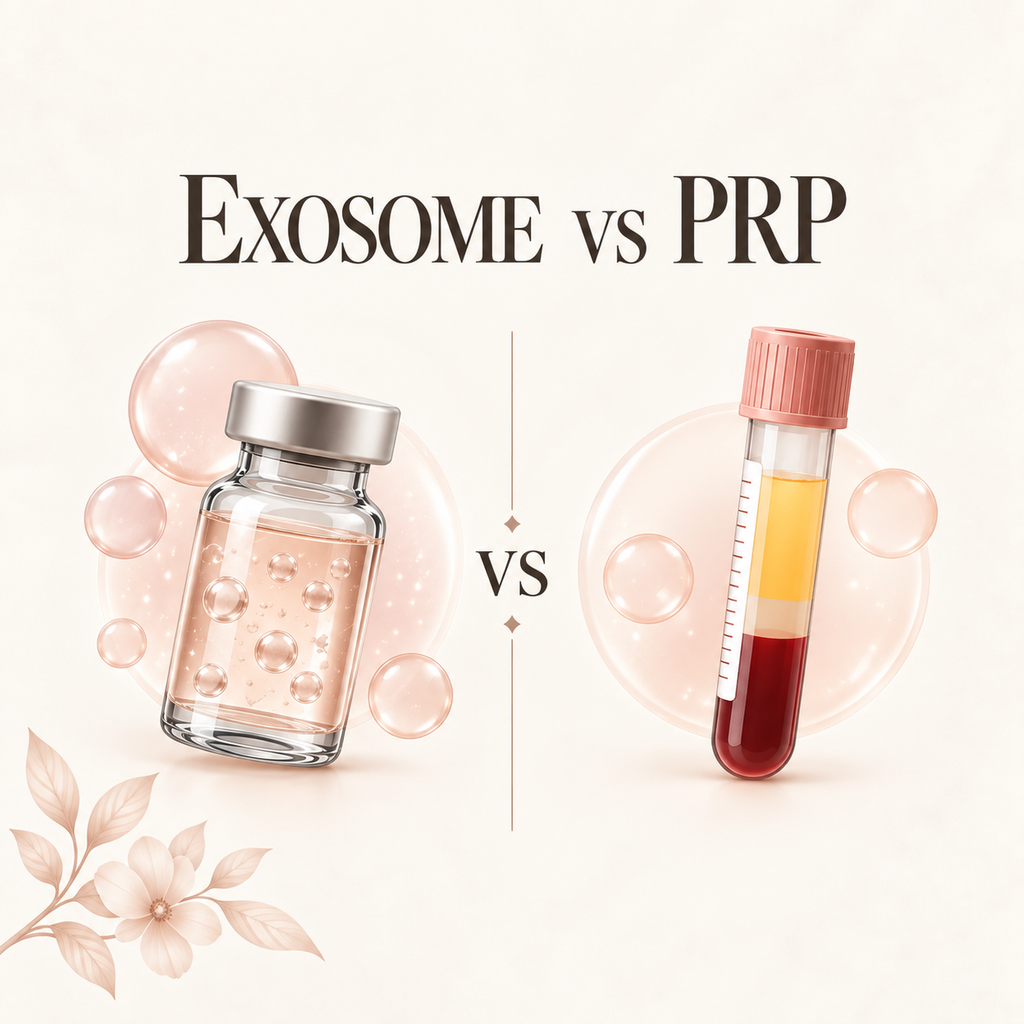
Exosome vs PRP for Hair Loss: What You Need to Know
Exosome therapy for hair loss uses extracellular vesicles to help address concerns such as hair thinning and shedding. PRP hair treatment involves the use of concentrated platelets taken from the patient’s own blood and injected into areas of the scalp where hair loss is present.
PRP has a longer clinical research history, while evidence on exosome-based treatment remains limited by small sample numbers and short follow-up periods. The choice of hair fall treatment depends on a doctor’s assessment.
PRP vs Minoxidil: Which Is Better?
There is no single treatment that is suitable for every type of hair loss. PRP hair treatment is an in-clinic procedure that uses concentrated platelets from the patient’s own blood, while minoxidil for hair is a topical medication applied regularly to the scalp.
If you want to understand how to stop hair loss, a doctor can explain if a clinical treatment, a topical product, or a combination of both may be suitable for the individual’s condition and response to treatment.
Why Hair Loss Treatments Are Combined
A hair loss treatment plan may combine a topical product, an in-clinic procedure, and treatment for an underlying cause because each approach works in a different way.
For example, a PRP and minoxidil combination may be considered in some cases, while other treatment plans may include finasteride for hair loss, based on the individual’s diagnosis, medical history, and suitability.
That is why, if you are looking for information on how to stop hair loss, it is important to speak with a doctor before starting any hair loss product or treatment.
Which Hair Loss Treatment Is Right for Thinning Hair?
Choosing a hair fall treatment for thinning hair depends on each patient’s cause, pattern, stage, scalp condition, and medical history. Different types of hair loss can have different causes and may require different treatment approaches.
Hair Loss Pattern or Stage
Treatment That May Be Considered
What to Know
Early hereditary thinning
Minoxidil
A topical medication that may be used for certain forms of hereditary hair loss and requires continued use.
Male pattern hair loss
Finasteride for hair loss
A prescription medication that may be considered for some men after medical assessment.
Patterned thinning
PRP
An in-clinic procedure that uses platelet-rich plasma from the patient’s own blood and may be considered for some cases of androgenetic alopecia.
Hair thinning or reduced density
Exosome-based treatment
Uses extracellular vesicles, although clinical evidence for its use in hair loss is still developing.
Hair loss linked to another condition
Treatment of the underlying cause
Hormonal changes, nutritional deficiencies, medication effects, scalp conditions, and other medical factors may need to be addressed first.
For those considering hair loss treatment in Kuala Lumpur, Shah Alam, or Alor Setar, Dr Nazelia Clinic can assess the cause before starting medication, topical products, or in-clinic procedures.
What Happens at a Scalp Assessment?
You do not need to choose between topical products, medication, or in-clinic procedures on your own when dealing with hair loss. A doctor can help with finding the cause of hair loss first before discussing which treatment approaches may be considered.
During a scalp assessment, the doctor may consider factors such as:
Your main hair or scalp concern
The pattern and extent of hair thinning
How long the hair loss has been present
Changes in shedding or hair density
Your scalp condition
Family history of hair loss
Medical conditions and hormonal changes
Current medications and supplements
Previous hair loss treatments
Diet, stress, and lifestyle factors
These details can help the doctor assess how to stop hair loss based on the possible cause and explain why hair loss treatments are combined in some cases.
If you are seeking hair loss treatment in Shah Alam, Kuala Lumpur, or Alor Setar, our doctor can review your concerns, scalp condition, and relevant medical factors before discussing possible next steps.
The aim is not to choose a treatment based on hair thinning alone. A scalp assessment helps identify possible causes and guides the treatment plan based on the individual’s condition.
Frequently Asked Questions About Hair Loss Treatment in Malaysia
Do exosomes work better than minoxidil?
Current evidence does not show that exosome-based treatment should be chosen over minoxidil for hair. Minoxidil has a longer clinical research history, while research on exosomes remains limited and is still developing.
Can exosomes regrow hair?
Research on exosome therapy for hair loss is still developing, and current evidence is not enough to confirm hair regrowth for every patient. Outcomes may vary depending on the cause, stage of hair loss, and presence of active follicles.
Is there anything better than PRP for hair?
There is no single treatment that should be chosen over another for every person. Approaches such as PRP hair treatment may be considered depending on the cause of hair loss, medical history, scalp condition, and a doctor’s assessment.
What are the big 3 hair loss treatments?
There is no formally recognised medical “big 3”, but common hair fall treatment approaches may include topical minoxidil, finasteride for hair loss in suitable patients, and in-clinic procedures such as PRP and exosome-based treatments. The options discussed can differ according to the diagnosis.
What is the most successful treatment for hair loss?
There is no one treatment that produces the same outcome for every type of hair loss. For people looking to understand how to stop hair loss, a doctor can assess the underlying cause and discuss treatment options based on the individual’s condition.
Consult a Doctor About Changes in Your Hair and Scalp
Understanding how to stop hair loss starts with recognising that hair thinning can have different causes and may progress differently from one person to another. A hair loss treatment may involve medication, topical products, in-clinic procedures, or a combination, depending on the individual assessment.
The approach may also differ between hair loss treatment for women and men, especially when factors such as hormones, genetics, age, scalp condition, and medical history are involved. Treatment decisions should be based on the cause and the person’s overall condition rather than on one symptom alone.
Speaking with a doctor can help clarify the available treatment approaches. If you are looking for hair loss treatment in Kuala Lumpur, Shah Alam, or Alor Setar, a scalp assessment at Dr Nazelia Clinic can help review your concerns and discuss a personalised treatment plan.