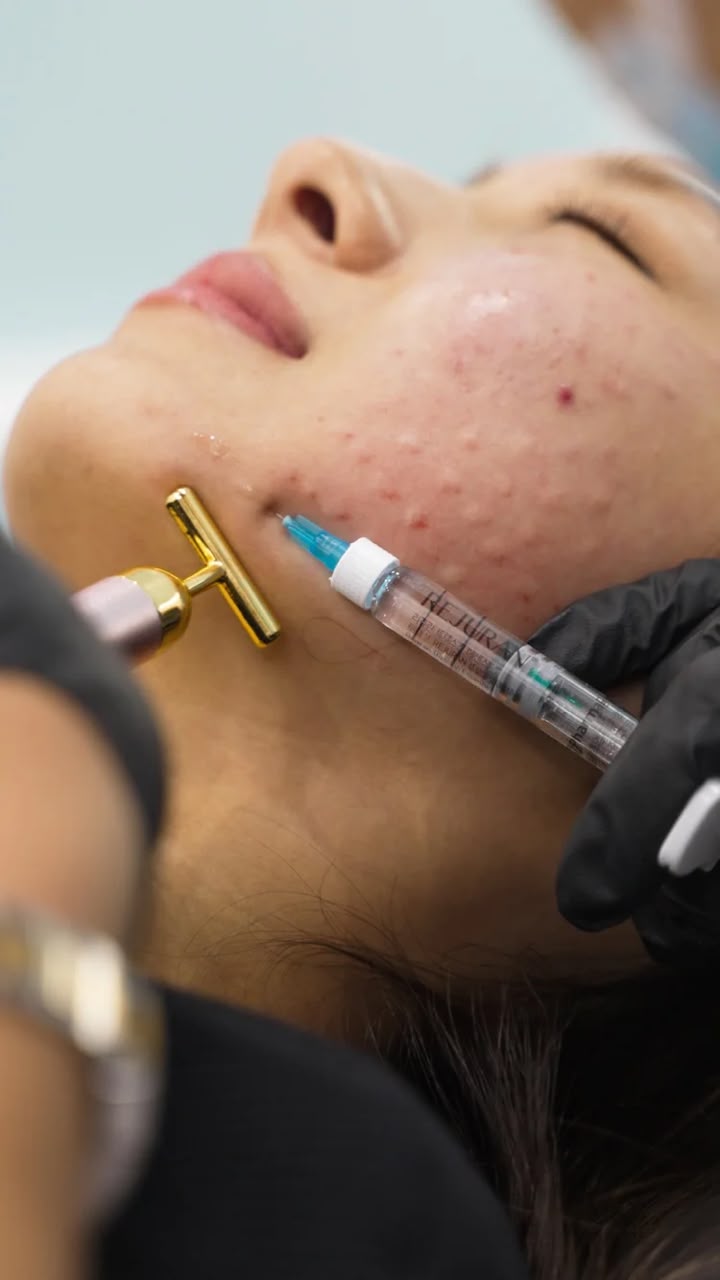
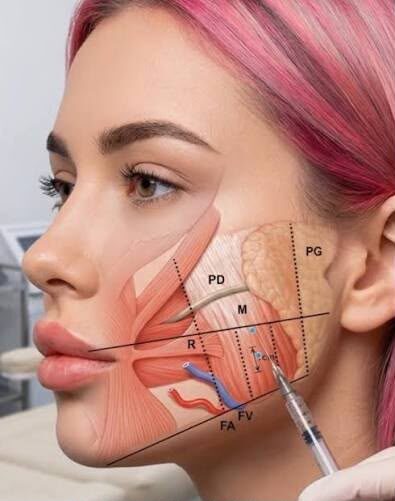
In the modern landscape of aesthetic medicine, the line between elegant refinement and visible distortion is remarkably thin. An overfilled face filler result occurs when excessive volumes of injectable hyaluronic acid distort the natural anatomical contours of the patient’s face. Rather than restoring a youthful underlying structure, injecting too much filler creates an unnatural, swollen appearance that obscures the natural bone structure.
Today, patients are increasingly rejecting this exaggerated look in favour of a highly sophisticated aesthetic. They want to look quietly affluent, genetically blessed, and well-rested, rather than artificially augmented. For patients seeking a safe and strategic overfilled face filler Malaysia, understanding the mechanics of facial anatomy is the crucial first step. The foundation of aesthetic success relies heavily on structural knowledge and strategic restraint.
Natural vs Overfilled: The Core Difference
The ongoing debate surrounding natural vs overfilled aesthetics centres on the fundamental goal of the procedure itself. When we closely examine the difference between natural and overdone filler, the primary distinction is anatomical respect. A natural approach respects the underlying bone structure and merely supports it.
Conversely, an overdone approach attempts to construct an entirely new facial shape using a soft, pliable gel, which inevitably leads to a heavy, distorted appearance.
So, what makes filler look fake? Fake-looking results stem from three main clinical errors. The first is improper placement depth. Injecting a dense hyaluronic acid gel into the superficial fat compartments directly under the skin, rather than deep onto the bone, causes the product to shift and weigh down the delicate facial tissue. The second error is inappropriate volume.
Hyaluronic acid is intensely hydrophilic, meaning it draws in and holds water to itself (a biological mechanism detailed by the American Academy of Dermatology). When practitioners inject high volumes, the gel continues to attract fluid over the following months, creating an unintended bloated effect.
Finally, chasing fleeting social media trends is a massive factor in what makes filler look fake. Attempting to construct sharp, exaggerated jawlines or overly projected cheeks on a delicate, narrow facial frame fundamentally disrupts the patient’s intrinsic harmony.
When discussing natural vs overfilled outcomes, a highly competent medical practitioner will always refuse to perform treatments that violate a patient’s natural skeletal boundaries. A truly successful natural vs overfilled outcome is one that leaves friends guessing if you have simply had a long holiday or an excellent night of sleep.
What Makes a Face Look Expensive?
In aesthetic terms, an “expensive” face does not refer to the financial cost of the treatments applied to it. Instead, what makes a face look expensive is a quiet, undetectable elegance. It is a face that appears naturally vibrant, impeccably maintained, and structurally sound.
At a purely biological and structural level, what makes a face look expensive relies heavily on facial proportions and symmetry. The human eye subconsciously recognises beauty and youth through specific mathematical ratios, often referred to as the golden ratio or Phi in aesthetic medicine (a concept widely explored in clinical research on facial aesthetics). Rather than isolating one feature and inflating it, expert injectors evaluate the entire canvas. They assess how the chin balances the nose, and how the temples support the brow.
Another critical component of an expensive aesthetic is the subtle interplay of light and shadow on the face. Youthful, refined faces have distinct convexities (high points like the cheekbones that catch the light) and subtle concavities (soft shadows beneath the cheekbones that provide definition).
When excessive gel is injected, these delicate shadows are often obscured. The face becomes a smooth, flat balloon, lacking all definition. Restoring the correct light and shadow on the face is the hallmark of natural looking facial enhancement. The objective of natural looking facial enhancement is to whisper, never to shout.
Signs of an Overfilled Face: What to Look For
Patients often realise something is wrong but lack the clinical vocabulary to identify the exact issue. They look in the mirror and ask, “Why does my face look overfilled?” The answer usually lies in a constellation of distinct visual cues that indicate the tissue has reached its maximum capacity.
Here are the primary signs of an overfilled face to look out for:
- The Loss of Anatomical Landmarks: The jawline merges directly into the neck without a crisp angle, or the cheekbones blend seamlessly into the under-eye area without any natural transition.
- The Sunset Eye Effect: Excessive cheek volume pushes upward when smiling, causing the eyes to look much smaller or heavily squinted.
- Alienisation: The midface becomes overly wide and projected, giving the face a distinctly feline or unnatural width.
- Pillow Face and Puffiness: The skin takes on a doughy, swollen appearance that looks inflamed rather than lifted.
These symptoms collectively contribute to a clinical condition known as facial overfilled syndrome. This syndrome occurs when repeated, large-volume sessions overwhelm the retaining ligaments of the face. Pillow face and puffiness are the direct result of the hydrophilic gel holding onto excess lymphatic fluid.
If you find yourself asking, “Why does my face look overfilled?” it is highly likely you are exhibiting one or more of these classic signs of an overfilled face. The diagnosis of facial overfilled syndrome requires immediate cessation of further volume addition.
The Anatomy of Ageing: Why Balance Matters
To truly understand how to correct and prevent these aesthetic errors, we must examine the biological reality of ageing. As we grow older, our facial anatomy undergoes significant structural shifts.
The primary culprits behind a tired appearance are changes in the facial fat pads and ageing, alongside skeletal bone resorption. In our youth, superficial and deep fat pads sit high on the face.
Over time, these pads atrophy and slide downwards due to gravity and weakening ligaments (a process thoroughly documented by the National Center for Biotechnology Information). This downward migration creates hollows under the eyes and heaviness around the mouth. This is compounded by overall volume loss and skin laxity, which leaves the skin with less foundational support.
Attempting to fix severe volume loss and skin laxity by simply pumping the face full of dermal filler is a critical mistake. It ignores the need for true facial harmony and balance. When you add heavy gels to lax, falling tissue, you only exacerbate the drooping effect.
Maintaining facial harmony and balance requires a multi-modal approach. Instead of relying solely on hyaluronic acid, patients with significant facial volume loss should focus on rebuilding the deep structural integrity of their skin. By utilising energy-based devices, you can tighten the tissue itself. For example, a targeted HIFU treatment uses focused ultrasound to lift and contract the deep SMAS layer of the face.
Similarly, undergoing radiofrequency skin tightening helps generate new, dense collagen fibres to firm the skin from within, creating a tighter envelope that requires far less injectable product to look youthful.
How to Avoid the Overfilled Look
Moving from correction to prevention is the smartest aesthetic strategy. If you want to know how to avoid the overfilled look, the golden rule is simple: treat the cause, not just the symptom, and always respect your tissue capacity.
A common patient query is, “How much filler is too much?” The answer depends entirely on your unique anatomy, but a general rule of thumb is that if the product is visible to the naked eye while the face is at rest or in motion, it is too much.
You must remember that you cannot reverse severe sagging with volume alone. Knowing how much filler is too much means understanding that adding three or four syringes to the cheeks will not lift the jowls; it will only create heavy, unnatural cheeks.
To ensure you are on the right path, learning how to avoid the overfilled look requires thorough clinical planning. We highly recommend scheduling a comprehensive Botox and filler consultation with a board-certified medical aesthetic doctor.
A true professional will map out a long-term treatment plan that focuses on skin quality and structural support, rather than just quick volume fixes.
Get Yourself A Trusted Professional Today
Achieving an expensive, refined aesthetic requires immense clinical restraint. The ultimate goal of cosmetic intervention should always be to reveal the best version of your natural architecture. An overfilled face filler result masks your identity, whereas strategic, conservative enhancements illuminate it.
If you are currently unhappy with your results, the situation can typically be reversed. Dissolving excess filler using a targeted enzyme called hyaluronidase safely breaks down the unwanted hyaluronic acid (a safe reversal process supported by the American Society of Plastic Surgeons).
Whether you are seeking expert advice to avoid future mistakes, looking for an overfilled face filler Malaysia prevention strategy, or requiring immediate filler correction Kuala Lumpur, professional medical guidance is paramount. The art of dissolving excess filler requires as much skill as injecting it.
Do not let poorly placed product obscure your natural beauty. Secure your personalised aesthetic treatment at any of our clinic branches: Kedah/KL/Selangor today and take the first step toward reclaiming your authentic, natural harmony.
Frequently Asked Questions (FAQs)
What’s the difference between looking expensive and looking overfilled?
The difference lies in structural restraint. What makes a face look expensive is natural proportion, subtle shadowing, and skin that looks well-rested. An overfilled face filler result erases natural shadows, distorts the jawline, and gives the skin a tight, swollen appearance that is instantly recognisable as artificial.
What are the signs of an overfilled face?
The most common signs of an overfilled face include the loss of natural anatomical landmarks, eyes that look smaller when smiling, and a widened midface. Clinically referred to as facial overfilled syndrome, the most visible symptom is persistent pillow face and puffiness, where the face looks doughy and inflamed rather than lifted and contoured.
Can a face have “too much filler” without looking obviously fake?
Yes. Having too much filler does not always manifest as massive, balloon-like cheeks. Sometimes, it presents subtly as a loss of facial movement, a heavy feeling in the lower face, or a lack of natural expression. The goal of a natural vs overfilled approach is to ensure the face moves seamlessly and retains its unique character.
How do injectors avoid the overfilled or “pillow face” look?
Expert doctors achieve natural looking facial enhancement by combining modalities. Instead of relying solely on heavy gels, they use energy-based devices (like HIFU or radiofrequency) to tighten the skin envelope. By strengthening the skin and treating the structural laxity first, they require significantly less injectable volume to achieve a beautiful, balanced result.
Can an overfilled face be corrected?
Yes, can an overfilled face be fixed safely? Absolutely. If the product used was a hyaluronic acid-based gel, an aesthetic doctor can perform a precise procedure for dissolving excess filler. They inject an enzyme called hyaluronidase into the affected areas, which breaks down the excessive gel within a few days, allowing the face to return to its natural baseline.