What Doctors Actually Look at Beyond Pores and Glow
August 6, 2026
By: seo account
You may book an aesthetic consultation for concerns such as visible pores, uneven skin tone, acne scars, fine lines, or reduced firmness.
During the consultation, the doctor will also consider your skin health, facial features, movement, medical history, past treatments, and goals. These details help determine which options may be suitable for you.
The aim is to understand what may be causing the changes and whether treatment is appropriate for your needs.
What Happens During an Aesthetic Consultation?
An aesthetic consultation begins with a conversation. You can explain what you have noticed, when it started, and the type of change you would feel comfortable with.
You do not need to know which treatment you want. Simple descriptions such as “my pigmentation keeps returning” or “my skin looks tired” give the doctor a useful starting point.
The doctor may ask about:
Your main skin or facial concern
The change you hope to see
Medical conditions, medications, supplements, and allergies
Pregnancy or breastfeeding
Active acne, irritation, infection, or other skin conditions
Previous aesthetic treatments and how your skin responded
Your current skincare routine
A history of scarring or pigmentation after inflammation
How much recovery time you can manage
These details help the doctor check whether treatment is safe and suitable. They may also affect the procedure, settings, timing, or preparation.
In some cases, the first step may be to calm irritation, support the skin barrier, or manage active acne. The doctor may also advise waiting, seeking another medical assessment, or not having a procedure.
A skin and facial assessment looks at several connected features because one visible concern can have more than one cause.
Skin Tone, Pigmentation, and Redness
Pigmentation is assessed by its pattern, location, likely depth, and possible cause, not just its colour.
They may check for:
Post-acne marks
Sun-related pigmentation
Uneven skin tone
Melasma-like patterns
Redness or visible blood vessels
Signs of inflammation
A history of post-inflammatory hyperpigmentation may also affect whether a laser, peel, or another treatment is suitable.
Texture, Pores, and Acne Scars
Visible pores and uneven texture can be linked to oil production, congestion, acne scars, collagen changes, or reduced firmness.
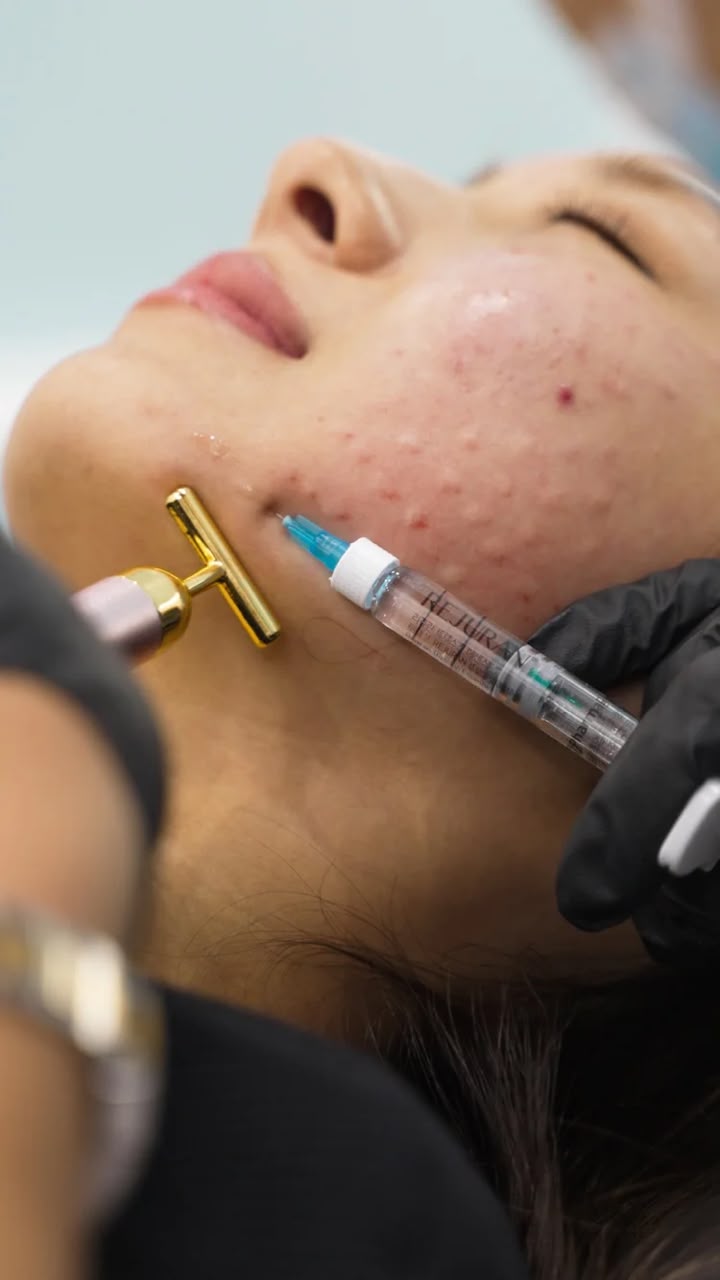
The doctor may check whether the concern is on the surface or extends deeper. Active acne, scar depth, defined edges, and tissue holding an indented scar down may also be assessed. An indented scar may need a different approach from general roughness or visible pores.
Hydration and the Skin Barrier
Skin that looks dull or rough may be dehydrated, irritated, or affected by a weakened skin barrier. The doctor may look for:
Flaking or tightness
Redness and sensitivity
Reactions to skincare products
Signs of excessive exfoliation
Reduced moisture retention
If the skin is irritated, a stronger procedure could increase sensitivity or slow recovery. A simpler routine and time for the barrier to recover may be advised first.
Firmness, Facial Structure, and Movement
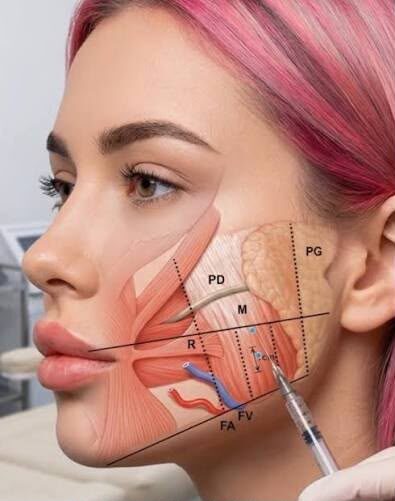
A doctor may assess skin thickness, elasticity, firmness, facial volume, and how the face moves.
Four connected layers can influence what you see:
Skin: Tone, texture, hydration, elasticity, and surface lines
Fat: Facial volume, contours, folds, and shadows
Muscle: Expression, movement, and dynamic lines
Bone: The underlying support for facial tissues
A fold or shadow may be affected by volume or structure beneath the skin. The doctor may observe your face from different angles and while you smile, frown, or raise your brows.
Small differences between the left and right sides are common and do not always need to be changed.
How Are the Skin and Face Assessed?
A consultation may include visual examination, a gentle hands-on assessment, standardised photographs, and skin imaging where available.
Visual and Hands-On Assessment
The doctor may examine your face under suitable lighting, from different angles, and at rest and during expression. A gentle hands-on assessment may help check skin thickness, elasticity, tissue movement, or scar tethering.
Clinical Photography and Skin Imaging
Standardised photographs can document your starting point and support later reviews. Consistent lighting, distance, positioning, and expression make them more useful than casual photos.
Clinical photographs form part of your medical information. The clinic should explain why they are taken, how they will be stored, and whether separate consent is needed for another use.
Some clinics use imaging systems to examine pigmentation, redness, pores, and texture. Facial skin imaging can provide more information, but it does not replace the examination or medical history.
How Does the Assessment Shape Your Treatment Plan?
The doctor can then explain what may be contributing to your concern and which areas should take priority.
The next step may involve:
Adjusting your skincare routine
Supporting the skin barrier
Managing active acne or irritation
Monitoring the concern
Considering one suitable procedure
Planning treatments in stages
Recommending another medical assessment
Advising that treatment is not currently needed
If a procedure is discussed, you should understand:
What it may address and what it is unlikely to change
Possible risks and side effects
Expected recovery time
Preparation and aftercare
Other suitable options
Treatment plans can change. Your skin’s response, healing, or priorities may affect what the doctor recommends at a later review.
How to Prepare for Your Aesthetic Consultation
Before your appointment:
List your medications, supplements, allergies, and relevant health conditions.
Note the names and approximate dates of previous aesthetic treatments.
Bring your skincare products or clear photos of their labels.
Avoid covering active irritation with heavy makeup where possible.
Write down questions about suitability, risks, recovery, alternatives, and cost.
Think about the change you want. You do not need to choose a procedure.
Do not stop prescribed medication or change an existing treatment plan unless advised by the doctor responsible for your care.
Aesthetic Consultation at Dr Nazelia Clinic
At Dr Nazelia Clinic, every consultation starts with you. Our team takes the time to understand your concerns, preferences, and goals before the doctor assesses your skin and facial features. You will then receive a clear explanation of the options that may be suitable for you, if treatment is recommended.
Doctor-led aesthetic consultations are available at our clinics in TTDI, Wangsa Melawati, Shah Alam, and Alor Setar. Suitability, recovery time, and treatment experience may vary from person to person.
Ready to learn more about your skin and facial concerns? Contact our team to arrange an assessment at your preferred Dr Nazelia Clinic location.
Frequently Asked Questions
What Does a Doctor Assess During a Skin Consultation?
The doctor may assess skin tone, pigmentation, texture, hydration, elasticity, facial structure, movement, medical history, previous treatments, and your goals.
Is a Medical Skin Assessment Different From a Facial?
Yes. A medical skin assessment considers your health history, possible risks, and whether the concern may need medical care or referral.
A facial consultation usually focuses on skincare, maintenance, and non-medical facial services.
Do I Need to Know Which Treatment I Want?
No. Explain what you have noticed and the change you would like. The doctor can discuss whether skincare, monitoring, a procedure, or another assessment may be suitable.
Will Photographs Be Taken During the Consultation?
Some clinics use standardised photographs to document the skin and support future reviews. The clinic should explain why the images are needed, how they will be stored, and how they may be used.
Can I Have Treatment on the Same Day?
It depends on the procedure, assessment findings, preparation required, and consent process. Some treatments may need preparation or more time for you to consider the information provided.
In this Article
Ready to start your skin journey?
Speak with our aesthetic doctors across four clinic locations