The most common reason an acne scar treatment fails is misdiagnosis. Patients frequently apply the wrong therapy to the wrong type of dermal damage, confusing temporary pigmentation with permanent structural defects. Finding the right treatment for acne scars on face requires a precise understanding of cellular biology.
If you are asking yourself, “Can deep acne scars be fixed without surgery?” the answer is yes. Clinical procedures can physically remodel the dermis without surgical excision.
However, achieving smooth skin requires abandoning trial and error. For patients seeking an effective acne scar treatment Malaysia can offer, understanding why your past efforts have failed is the critical first step toward achieving a smooth, even complexion.
Acne Scar Treatment Not Working? The Core Reasons
If you find your acne scar treatment not working, you must evaluate the foundational approach. There are several primary reasons acne scars won’t fade, and they almost entirely relate to a mismatch between the pathology of the mark and the chosen intervention.
Here are the main reasons acne scars won’t fade despite your best efforts:
- Misdiagnosis of Pigmentation: The most frequent error is confusing post-inflammatory hyperpigmentation with actual scar tissue. Post-inflammatory hyperpigmentation is simply residual melanin (dark spots) or erythema (redness) left behind after a breakout. It is flat and affects only skin colour. True scarring involves a physical change in skin texture, either through lost tissue or excess tissue.
- Applying Surface Fixes to Deep Problems: Attempting to fix dermal depressions with epidermal exfoliating creams is biologically impossible.
- Treating the Wrong Scar Category: There is a vast difference in how medical professionals approach atrophic and hypertrophic scars. Atrophic scars (like ice pick, boxcar, and rolling scars) are indented and require collagen stimulation. Hypertrophic scars are raised and require collagen suppression.
Using a single generic product for all types of acne scars is a guaranteed route to failure. To understand which category you fall into, you must undergo a professional clinical assessment to identify your specific acne scar concerns.
Why Are My Acne Scars Not Fading With Treatment?
Patients frequently enter aesthetic clinics asking, “Why won’t my acne scars go away?” The answer lies deep within the dermis. To understand the failure of over-the-counter products, we must examine the biology of scar tissue and fibroblasts.
When a severe cystic acne lesion ruptures beneath the skin, it destroys healthy tissue. The body responds by initiating the three wound healing phases: inflammation, proliferation, and remodelling.
During the proliferation phase, fibroblast cells rush to the site to lay down new collagen to seal the wound. However, in an emergency repair state, these cells do not lay down neat, orderly collagen fibres. Instead, scar tissue and fibroblasts create thick, haphazard bundles of collagen. This irregular matrix pulls the epidermis downward, creating visible indentations.
This biological reality explains why home remedies don’t work on deep acne scars. Topical serums and natural oils simply sit on the stratum corneum (the outermost layer of dead skin). They cannot bypass the epidermal barrier, nor can they break down the thick fibrous bands anchoring the scar to the deeper tissue.
Understanding why home remedies don’t work on deep acne scars saves patients from immense frustration. If you are constantly wondering, why are my acne scars not fading with treatment, it is because the active ingredients are not reaching the physical site of the damage.
Timelines and Warning Signs: Acne Scar Not Healing Properly?
Another major factor in perceived treatment failure is unrealistic expectations regarding biological timelines. It is incredibly common for patients to panic when they see an acne scar still visible after months of treatment.
So, how long should acne scar treatment take to work? True structural repair requires patience. Unlike treating dry skin, which can improve overnight, repairing a scar relies on collagen remodelling in healing.
When a clinical device stimulates the dermis, it takes the body approximately three to six months to generate, mature, and organise new collagen fibres. Therefore, seeing an acne scar still visible after months of treatment is often a normal part of the process, provided you are undergoing professional clinical therapy. The gradual process of collagen remodelling in healing cannot be rushed.
The Importance of Early Intervention
While patience during treatment is necessary, delaying the start of your treatment is a massive mistake. Medical professionals heavily emphasise the earliest scar treatment possible to avoid a protracted, long-term scar treatment plan. The ideal clinical window to begin therapy is as early as three months post-acne clearance or traumatic scar injury.
Intervening at the three-month mark allows doctors to address the tissue while it is still actively remodelling. Once a scar has matured over several years, the fibrotic tissue becomes dense and hardened, requiring significantly more intensive sessions to break down. Early intervention is the ultimate key to a faster, more effective resolution.
Treating Acne Scars the Right Way: Clinical Solutions
Once you understand why your previous attempts failed, you can begin treating acne scars the right way. The goal is to move beyond superficial skincare and utilise targeted energy devices or chemical agents to alter the dermal structure.
Patients often ask, “What actually works on old acne scars?” The answer depends entirely on the scar’s shape and depth. What constitutes the best treatment for acne scars on face for one patient may be entirely ineffective for another. Here is a breakdown of clinical solutions designed to improve both skin texture and tone.
Multimodality Treatments for Tethered Scars and Ageing
Relying on a single device is a primary reason treatments plateau. Modern aesthetic medicine heavily relies on a multimodalities treatment approach. For deep, rolling scars anchored by thick fibrous bands, a doctor will often combine therapies.
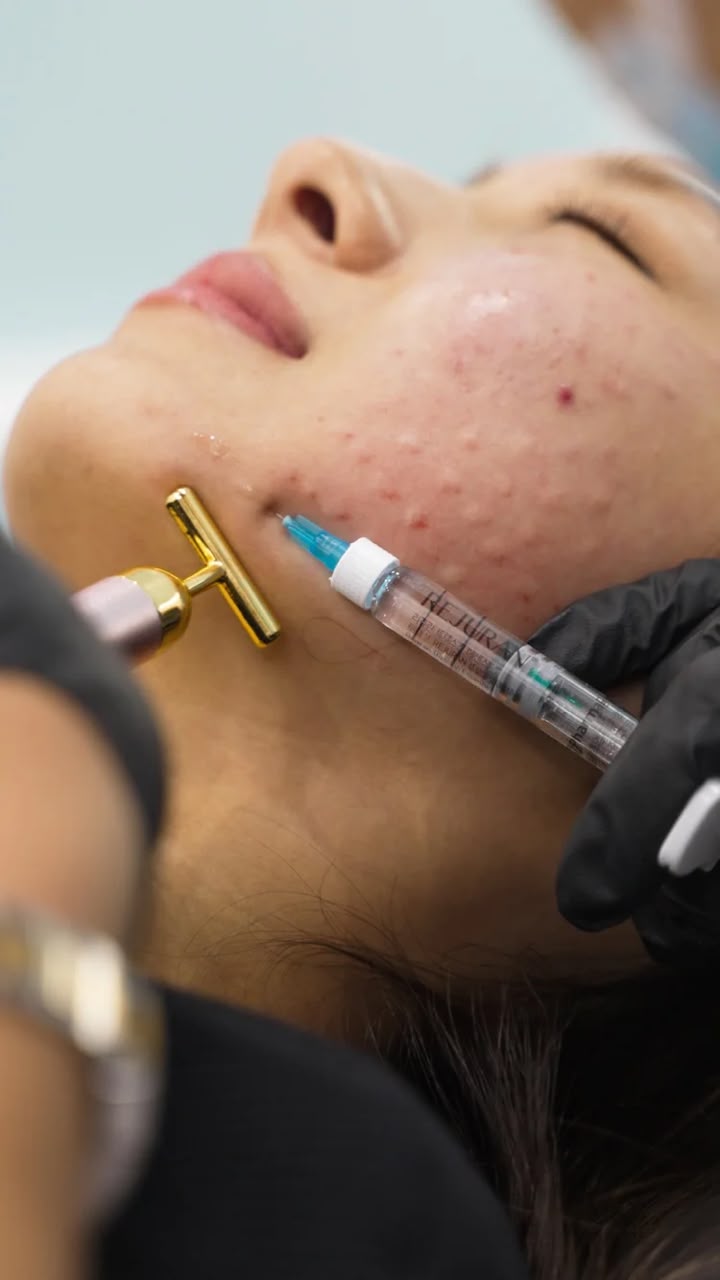
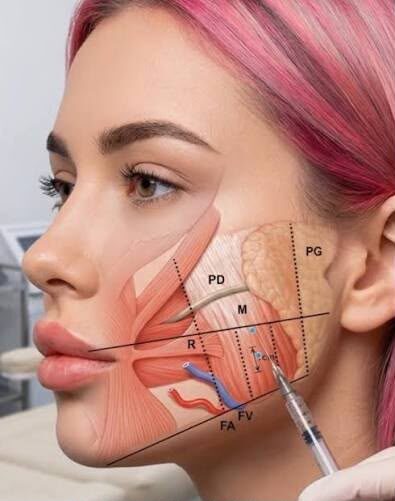
An exceptional protocol involves using radiofrequency (RF) microneedling to physically break apart and release tethered scars and fibrotic tissue. Immediately following this physical release, the doctor applies or injects a biostimulator. This biostimulator injection enhances collagen and tissue regeneration, filling the newly released space with healthy structural proteins.
This multimodality approach serves a vital dual purpose. It allows the practitioner to relate ongoing scar treatment directly to combatting ageing tissue. As the skin ages, it naturally loses collagen and elasticity, which causes existing scars to look significantly deeper and more prominent.
By using RF microneedling and biostimulators together, the treatment actively tightens lax skin and replaces lost facial volume. You are effectively repairing the scar damage while simultaneously reversing the signs of ageing.
Deep Atrophic and Hypertrophic Scars
For severe rolling, boxcar, or ice pick scars, the gold standard remains CO2 laser resurfacing. This ablative technology vaporises microscopic columns of scarred tissue. This forces the body’s wound healing phases to restart in a controlled environment.
As the tissue heals, it generates massive amounts of fresh, structured collagen, physically lifting the depressions. It is highly effective for both atrophic and hypertrophic scars, though the specific settings will vary based on the scar type. When evaluating what actually works on old acne scars, fractional CO2 is frequently the most reliable answer.
Pigmentation and Mild Textural Issues
If your primary concern is dark spots combined with very shallow textural irregularities, a Pico Laser treatment is often the best treatment for acne scars on face. Pico lasers operate in picoseconds, creating a photoacoustic effect that shatters excess melanin into microscopic particles. This significantly improves skin texture and tone without excessive heat damage.
Superficial Marks and Widespread Texture
For broad areas of uneven texture and shallow epidermal marks, chemical peels offer an excellent alternative. A medium-depth peel safely removes the damaged outer layers of skin, encouraging fresh cellular turnover and providing a smoother surface.
Say Goodbye to Your Acne Scars
Learning how to fade stubborn acne scars requires a shift in perspective. You must stop viewing these marks as simple blemishes and start treating them as complex structural defects.
By abandoning ineffective topical remedies and embracing targeted medical procedures, you take control of your skin’s regenerative capabilities. Treating acne scars the right way relies on accurate diagnosis, clinical intervention, and biological patience.
If you are consistently wondering, “Why are my acne scars not fading with treatment?” then it is time to consult an expert. A professional aesthetic doctor can correctly identify your scar types and recommend a bespoke protocol that actually targets the dermal damage.
For those seeking an effective acne scar treatment Malaysia can offer, reaching out to a dedicated medical professional is the fastest route to a clear complexion. Whether you need a comprehensive assessment at an acne scar clinic Kuala Lumpur or targeted laser therapy with an acne scar specialist TTDI, book your consultation today to begin your journey toward smoother, healthier skin.
Frequently Asked Questions (FAQs)
Why is my acne scar treatment not working?
If you find your acne scar treatment not working, it is likely due to misdiagnosis or an inappropriate treatment modality. Most people attempt to treat deep dermal indentations with superficial epidermal skincare, which is biologically incapable of reaching or repairing the damaged collagen matrix below.
How long does treatment for acne scars on the face take to show results?
When patients ask how long should acne scar treatment take to work, the biological reality dictates a timeline of three to six months. Any effective treatment for acne scars on face relies on cellular regeneration and collagen synthesis, a natural bodily process that cannot occur overnight.
Do acne scar creams actually work?
Do acne scar creams actually work? The clinical reality is that they are highly limited. They can effectively lighten dark pigmentation and temporarily plump dry skin, but no topical cream can repair torn dermal tissue or lift deep atrophic depressions.
Can old or deep acne scars still be treated?
Yes, old scars can be treated successfully. It does not matter if you have had the marks for five months or fifteen years. Medical devices like CO2 lasers and radiofrequency microneedling bypass the age of the scar by intentionally triggering a completely new wound healing cascade to replace the old tissue.
Why isn’t skincare alone fixing my acne scars?
Skincare alone fails because it cannot address the physical loss of tissue. Understanding how to fade stubborn acne scars means recognising that you cannot rebuild missing connective tissue with a topical serum. You require a clinical acne scar treatment that physically or thermally stimulates the deep dermal layers to generate new structural support.